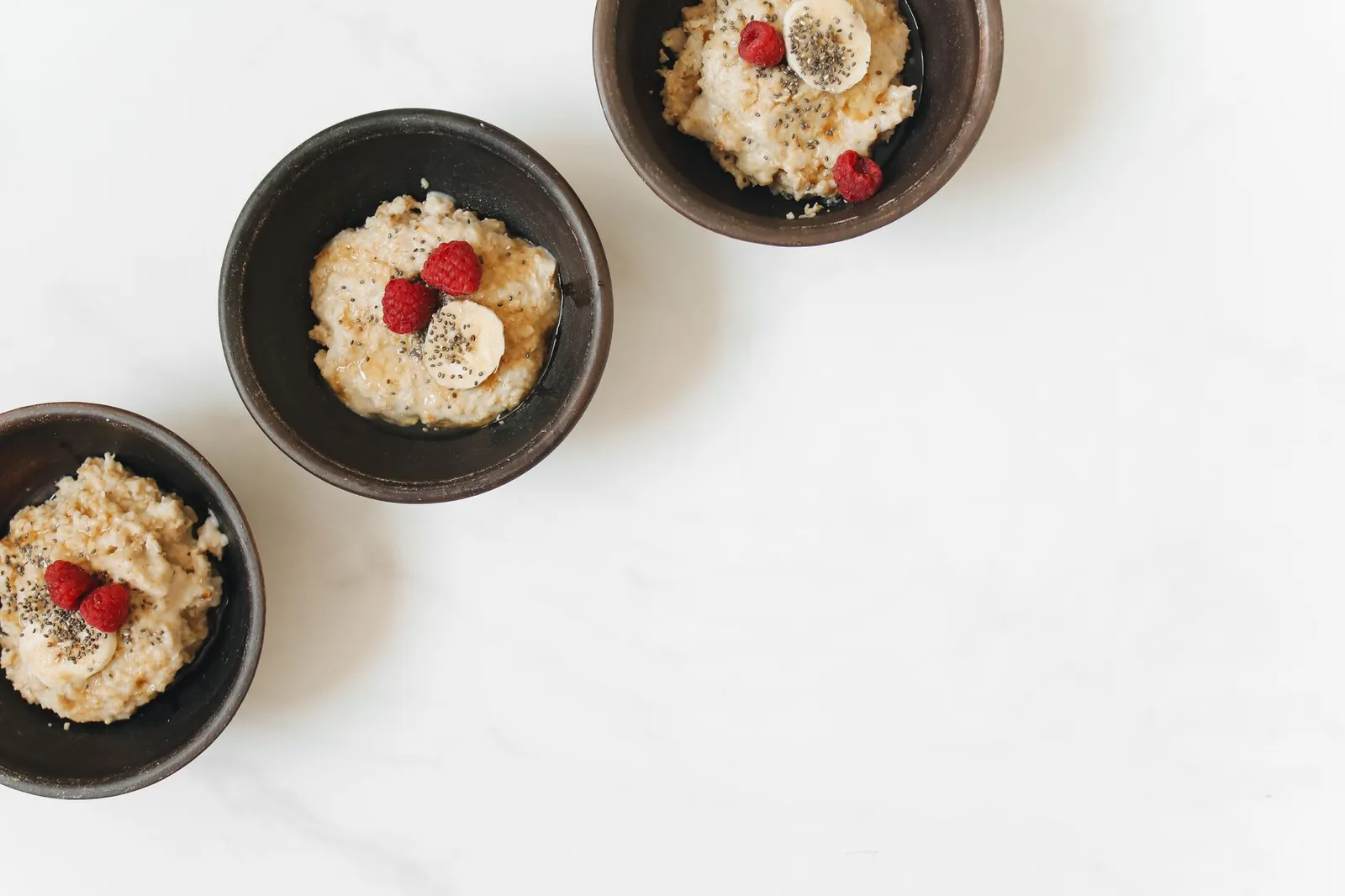
If you want a grain that behaves like a good foundation stone — sturdy, reliable, unbothered by whatever you pile on top — sorghum is the one to learn. Where teff turns to porridge and rice can go soft at the slightest overcooking, sorghum stays resolutely itself: plump, round, and satisfyingly chewy, holding its shape through a long simmer and a night in the fridge. That toughness is exactly what makes it such a good base. A grain bowl or a dressed salad wants a foundation that keeps its bite under a spoonful of roasted vegetables and a slick of dressing, and sorghum delivers that better than almost anything. It asks only one thing of you in return: patience. This is not a fifteen-minute grain. It wants time in the pot, and it rewards you for giving it. Once you know how to cook a batch properly, sorghum becomes the quiet backbone of a week's worth of easy, structured meals.
The long, patient simmer
Whole sorghum is a hard little grain, and it takes its time to soften. The most forgiving method is to treat it like pasta: bring a generous pot of salted water to the boil, add the sorghum, and let it simmer, uncovered or partly covered, for around fifty minutes to an hour. Taste it as it goes — you are looking for a tender grain with a distinct, pleasant chew at the centre, not a soft one. When it is ready, drain off the extra water. Because you cook it in plenty of liquid, you do not have to measure ratios precisely, which makes it a relaxed grain to have on the stove.
A soak helps if you think of it ahead. Leaving the grains in cold water for a few hours, or overnight, shortens the cooking time and gives a more even result. It is not essential, but it is a small kindness to your evening.
Why it holds its shape
Sorghum's sturdiness comes down to its structure — a robust whole grain with an intact bran layer that resists falling apart. That is a gift for anything that has to sit, travel or get dressed in advance. Where a softer grain would slump and turn gluey by lunchtime, sorghum stays separate and springy, so a bowl packed the night before still eats well the next day.
Building a base with it
Cooked and drained sorghum is a blank, faintly sweet canvas. Dress it while it is still warm so it drinks up flavour: a little oil, an acid like lemon or vinegar, salt, and whatever herbs you have. From there it takes almost any direction. Spoon roasted vegetables and a dollop of yoghurt over it for a bowl. Toss it cold with chopped tomatoes, cucumber and herbs for a grain salad that holds up on a hot day. Fold it through a soup for body. Because the grain stays distinct, each of these keeps a good texture rather than collapsing into stodge.
There is a popped side to sorghum worth mentioning too, because it shows how versatile the grain is. Dropped a spoonful at a time into a dry, very hot pan, the whole kernels burst into tiny, crunchy puffs — a miniature popcorn with a nutty flavour, good scattered over a salad or a bowl for texture. It is a small trick rather than a main use, but it is a nice reminder that a single grain can play more than one role, and that sorghum'''s toughness is exactly what lets it puff rather than scorch.
Getting the texture right
The most common mistake with sorghum is impatience — draining it while the grains are still stubbornly hard at the centre. Give it the full hour and taste before you drain. The second mistake is the opposite: cooking it so long it splits and turns floury. The sweet spot is a grain that gives easily when you bite but still has a springy core. Once you have hit that texture a couple of times, you will recognise it by feel.
Store cooked sorghum plain, without dressing, if you plan to use it across several meals, and dress each portion as you go. It freezes well too, spread flat in a bag so you can break off what you need. Kept this way, a single afternoon's cooking turns into a base you can build on for days — sturdy, chewy, and always ready to hold up whatever you put on top.