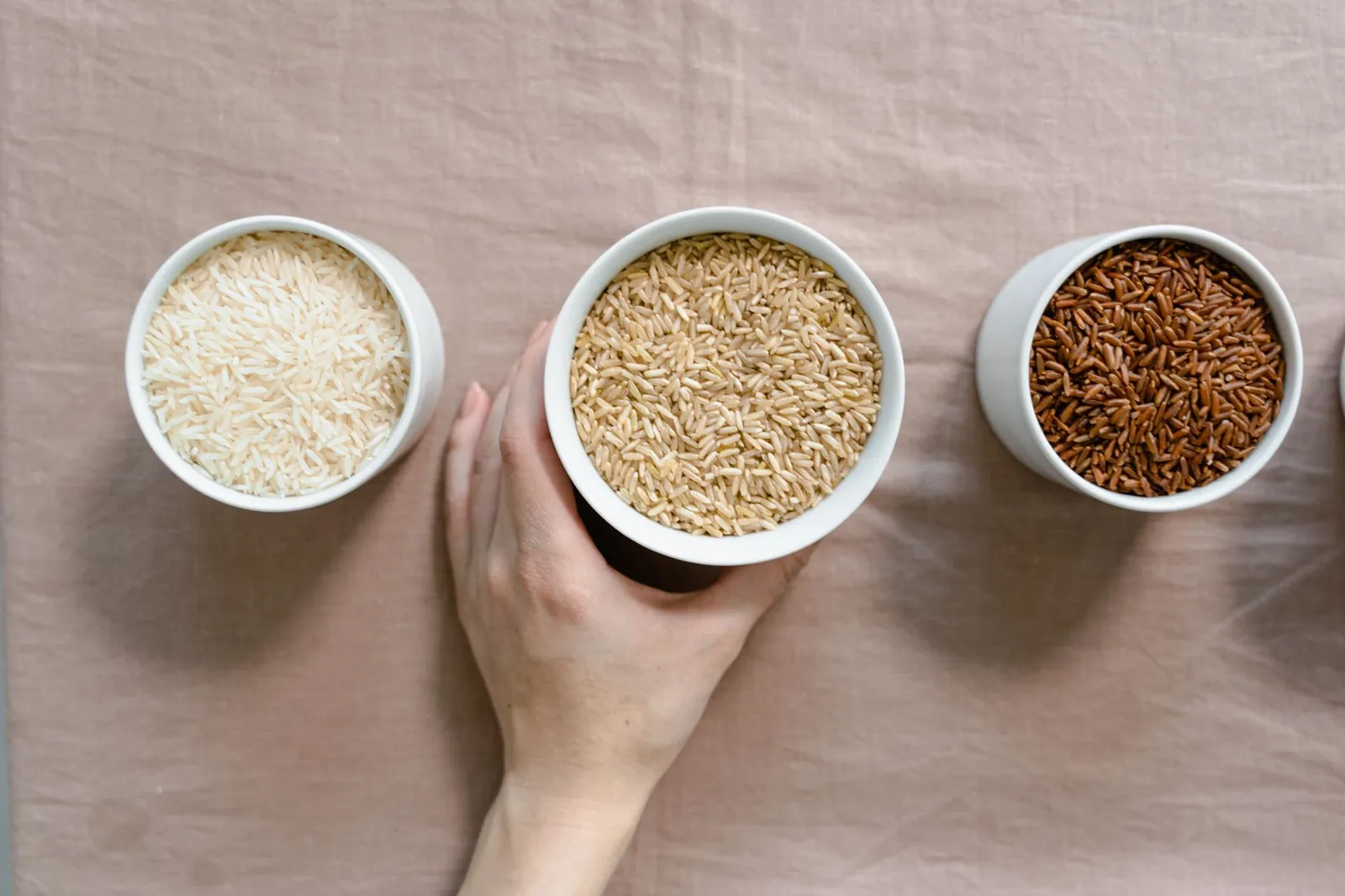
The grain aisle can feel like a settled place — a bag of rice, a bag of pasta, some oats, and not much reason to look further. Step past the familiar shelves, though, and a whole older pantry opens up, one that fed cooks for thousands of years before wheat and rice became the defaults. These grains are not novelties dreamed up for a trend. Teff has been ground into flatbread in the Ethiopian highlands for millennia. Sorghum still feeds vast stretches of Africa and South Asia because it thrives where the rain is thin. Amaranth was a cornerstone of the table in the Americas long before the Spanish arrived. Each of them survived because it does something well, and each brings a texture and a flavour that ordinary rice can only gesture at. This tour is a plain introduction to the ones worth knowing first — what they are, what they taste like, and how to sort them out when the labels are unfamiliar and the shapes all look a little strange.
The tiny grains: teff and amaranth
Some ancient grains are startlingly small. Teff is the smallest cultivated grain in the world — the seeds are barely bigger than specks of dust, and a spoonful holds thousands of them. Cooked, teff turns into a soft, gently molasses-sweet porridge with a faint earthiness; it is the grain behind injera, the tangy Ethiopian flatbread. Amaranth is a little larger but still tiny, pale and round like miniature seeds. It cooks down soft and slightly sticky, with a nutty, almost peppery note.
Because they are so small, both grains behave differently from the sturdier ones. They cook quickly, thicken as they cool, and want more water rather than less. You do not so much boil them as coax them into a creamy mass. That makes them naturals for breakfast and for thickening soups, and slightly awkward as a fluffy side dish — a job better left to their bigger cousins.
The chewy grains: sorghum, farro and barley
At the other end of the shelf sit the round, toothsome grains. Sorghum looks like small pale pearls and cooks up plump and satisfyingly chewy, holding its shape even after a long simmer. It is patient — happy to sit in a pot for the better part of an hour — and makes a sturdy base that will not turn to mush in a dressed salad. Farro, an old form of wheat, has a similar firm bite with a warmer, wheaty flavour and cooks a good deal faster. Barley, the most familiar of this group, brings a plump, glossy chew that thickens soups and stews beautifully.
These are the grains to reach for when you want structure — something with body under a spoonful of roasted vegetables, or a base that stays distinct rather than melting together. They reheat well and hold up for days in the fridge, which makes them the workhorses of batch cooking.
Freekeh, the smoky one
Freekeh deserves its own mention because it is not quite like the others. It is simply young wheat, harvested while still green and soft, then set alight so the chaff burns away and the grain roasts. What you buy is either whole or cracked, olive-green, and carrying a distinct campfire smokiness that no other grain on this list has. Cracked freekeh cooks quickly into a tender, savoury pilaf; whole freekeh takes longer and stays chewier. Either way, that gentle smoke is the reason to keep it.
How to build a starter shelf
You do not need all of these at once. A good first shelf might hold one small grain, one chewy grain, and freekeh for its flavour — say teff, sorghum, and a bag of cracked freekeh. That trio covers a creamy breakfast, a sturdy bowl base, and a smoky pilaf, which is most of what an everyday kitchen asks of grains. Buy modest amounts to begin with. These grains keep for months in a sealed jar, but you learn far more quickly by tasting a few kinds side by side than by working through one enormous sack.
When you shop, favour whole grains that look clean and uniform, with a fresh, faintly nutty smell rather than anything stale or musty. Decant them into jars at home and label the lids, because dry teff and dry amaranth are easy to mix up once they leave their bags. From there, the best way forward is simply to cook them. Each grain teaches you its habits within a pot or two, and the tour on paper turns into something you actually reach for.