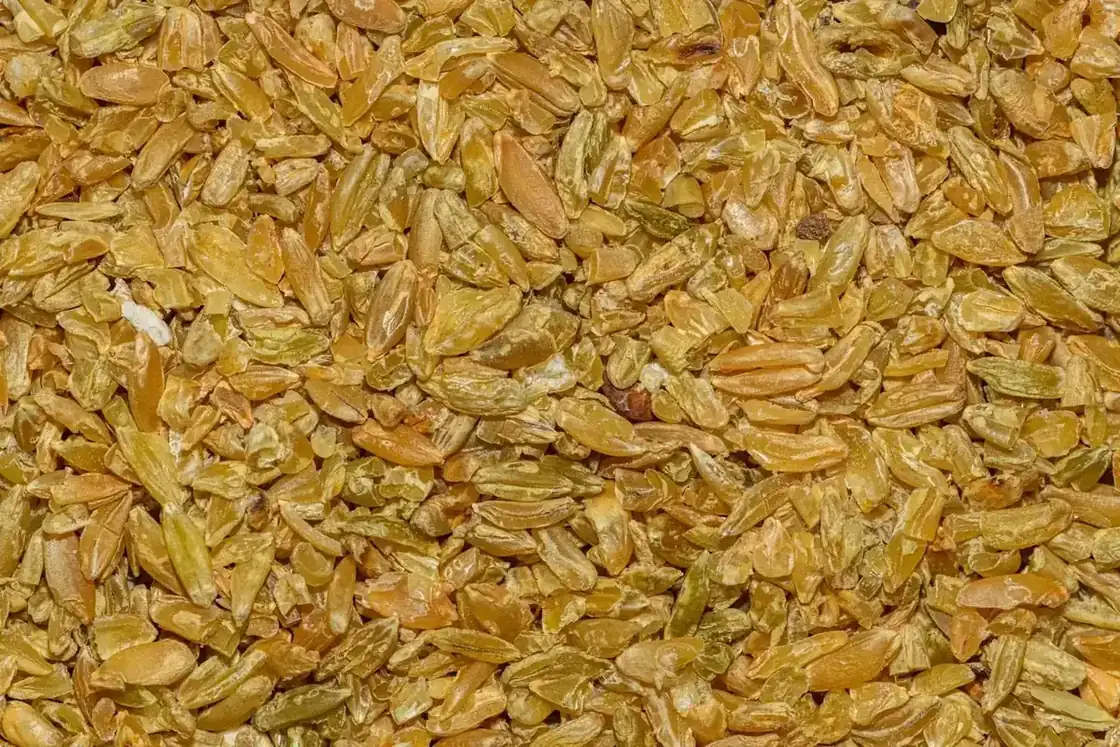
There is one small step that separates a pot of grains that tastes flat from one that tastes deep, and it costs nothing but a couple of minutes and a little attention. Before you add any water, you toast the dry grain in the pan. Cooks have done it for centuries, from the browned rice of a pilaf to the nutty base of a risotto, and the reason it works is simple chemistry: dry heat coaxes out flavours that boiling water never can. Raw grain simmered straight in water tastes clean but often a bit muted. The same grain given a few minutes in a hot, dry pan first turns fragrant and golden, and that toasted aroma carries all the way through the finished dish. It is the difference between a side that fades into the background and one that tastes like something you meant to make. The technique is almost foolishly easy, but a few small details decide whether you get a rich toast or a bitter scorch.
What toasting actually does
When you heat a dry grain, the sugars and proteins on its surface begin to brown, developing hundreds of new aromatic compounds — the same browning that gives toast, coffee and seared meat their appeal. You will smell it happen: a raw, faintly grassy grain becomes warm, nutty and popcorn-like within a couple of minutes. Toasting also firms the outside of each grain slightly, which helps sturdier grains stay separate and distinct once the water goes in, rather than turning sticky.
The effect is most dramatic on grains with some size and starch to them — farro, sorghum, freekeh, barley, buckwheat, millet. On the tiniest grains like teff it matters less, though a brief toast still adds a pleasant depth.
How to do it
You can toast grains dry or in a little fat. Dry toasting is the simplest: put the grains in a wide, heavy pan over medium heat, with no water and no oil, and stir or shake them almost constantly. Within two to four minutes they will darken a shade, smell nutty, and some may pop or crackle. That is your cue to add the liquid — carefully, as a hot pan will hiss and steam — and carry on cooking as usual.
Toasting in fat gives a rounder result. Warm a little butter or oil first, add the grain, and stir it through the fat as it toasts. This is the classic pilaf move, and it coats each grain so it browns evenly and stays loose. Either way, a wide pan beats a deep pot, because the grains toast best in a single layer where each one touches the hot surface.
Avoiding the bitter edge
The one real risk is going too far. Toasted grain is nutty and inviting; scorched grain is acrid and bitter, and there is no rescuing a pan that has crossed that line. Keep the heat at medium rather than high, keep the grains moving so no single spot sits still against the metal, and stop the instant they smell right. If you see wisps of smoke or catch a sharp, burnt note, you have gone a shade too far. When in doubt, pull the pan off the heat a touch early — the residual warmth finishes the job.
When to skip it
Toasting is not compulsory, and there are times to leave it out. If you are cooking a very soft, creamy porridge and want a pure, mild flavour, a toast can make it taste more assertive than you want. If a grain is already roasted, like freekeh, an extra toast is optional gilding rather than a necessity. And when you are batch-cooking a large plain pot to dress differently across the week, you might skip it and add character later. But for most weeknight grains — a bowl base, a pilaf, a side — those two minutes of dry heat are the cheapest upgrade in the kitchen. Once toasting becomes a reflex, plain-boiled grains start to taste like a missed opportunity.