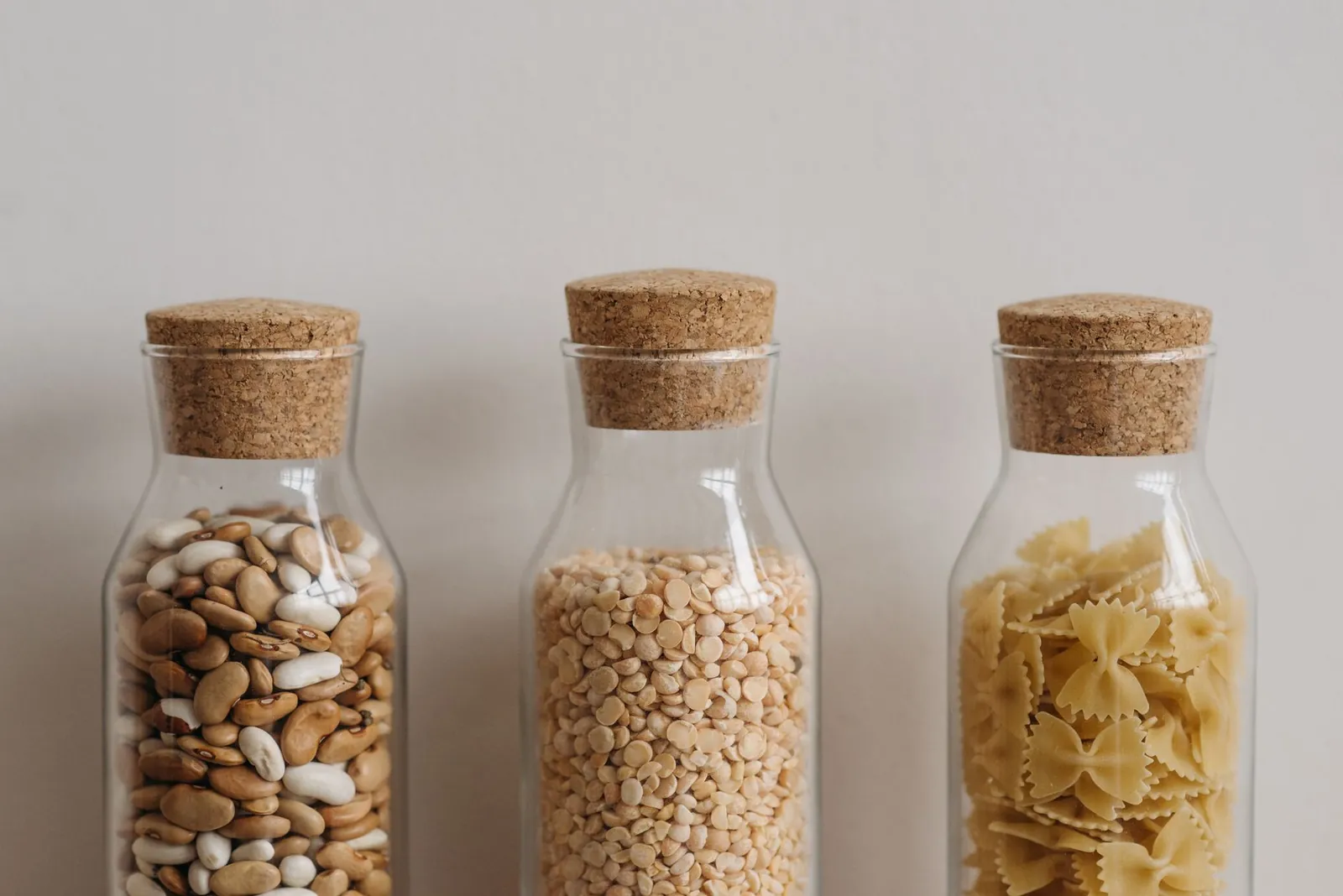
The single habit that turns ancient grains from an occasional project into an everyday staple is batch cooking — making far more than one meal needs, storing it well, and building on it through the week. Grains are almost perfectly suited to this. They take the same effort to cook a large pot as a small one, they keep for days in the fridge, most freeze without complaint, and many actually taste and hold together better after a night's rest. A single unhurried afternoon at the stove can set you up with a base for breakfasts, bowls, salads and soups for the better part of a week, which is exactly what makes these grains realistic to eat often rather than only when you have time to fuss. The trick is knowing which grains reward batching, how to store them so they do not turn to a solid brick, and how to bring them back to life when you reach for them. None of it is complicated, but a few habits make all the difference.
The grains that batch best
Sturdy, chewy grains are the champions of batch cooking. Sorghum, farro, barley, whole freekeh and wheat berries all hold their shape for days, reheat without turning to mush, and stay distinct in a salad you dressed yesterday. These are the ones to cook in quantity and rely on. The softer, creamier grains — teff, amaranth — can be batched too, but they set firm as they cool and need loosening with liquid when you reheat, so they suit make-ahead porridge better than a grain salad.
Cook the sturdy grains in plenty of salted water, like pasta, and drain them when they are tender with a little bite left. Cooking them slightly under rather than over gives you room to reheat later without them going soft.
Store them plain
The most useful move is to store the big batch plain and undressed. A plain grain is a blank base you can send in any direction — dressed for a salad one day, spooned into soup the next, warmed with milk for breakfast the day after. Dress only the portion you are about to eat. Once oil and acid go in, a grain softens faster and its options narrow, so keep the dressing for the moment of serving.
It helps to think of a batch not as one dish but as raw material for several. The same tub of plain cooked sorghum or farro can become a warm side tonight, a cold dressed salad tomorrow, a bed for roasted vegetables the day after, and a handful stirred into soup at the end of the week. Keeping that flexibility in mind while you cook changes small decisions: you salt lightly rather than heavily, you stop just short of fully soft, and you leave the seasoning open so each meal can pull the grain in a different direction. A batch cooked with next week in mind is far more useful than one cooked for a single plate.
Fridge and freezer
Cooked and stored properly, most sturdy grains keep four to five days in the fridge. For anything longer, the freezer is your friend. Spread cooled grains flat in a freezer bag, press out the air, and freeze them in a thin sheet so you can snap off just what you need. They thaw in minutes and reheat straight from frozen with a splash of water, in a pan or a microwave. Portioning before you freeze — a couple of servings per bag — saves you from defrosting the whole lot to use a handful.
Bringing grains back to life
Cold grains from the fridge can taste tight and a little dull, but they revive easily. The key is a little moisture and gentle heat. Add a splash of water or stock, cover, and warm them through until steaming; the extra liquid loosens the starch and returns the grain to something close to just-cooked. For a salad you can skip the reheating entirely and simply dress the cold grains, letting a bright dressing wake them up. For breakfast, warm them with milk. Either way, a spoonful of something fresh — herbs, a squeeze of lemon, toasted nuts — makes day-old grains taste like you made them that morning.
Get into the rhythm and the payoff compounds. One pot cooked on a quiet afternoon becomes a run of easy meals that ask for nothing more than reheating and a little assembly. That, more than any single recipe, is what makes ancient grains a genuine everyday habit rather than a good intention.