Pantry
A tour of ancient grains
The handful of older grains worth keeping, what each one tastes like, and how to tell them apart on the shelf.
Read the guideTeff, sorghum, amaranth, freekeh and their neighbours have fed kitchens for thousands of years. Each one carries its own texture and its own quiet flavour. This is a cook's notebook for putting them on the table without fuss.
 Eight grains, one table
Wheat and rice do a lot of work in most kitchens, and they earn it. But the world of grains is far wider than those two, and much of it has been on the table longer. Teff has fed the highlands of the Horn of Africa for millennia. Sorghum grows where almost nothing else will. Amaranth was a staple of the Americas long before wheat arrived. Freekeh is simply young wheat, harvested green and set alight. The Ancient Grains Table is written to make that older pantry feel ordinary rather than exotic.
Everything here stays close to the stove. How much water a cup of teff wants, why sorghum takes its time, how to toast a grain before it meets liquid, and how to turn one big pot into a week of easy meals. No rare tools, no fuss — just the small, repeatable moves that make these grains a pleasure to cook.

Start with the tour if this pantry is new to you, or jump straight to the grain or technique you need. Each piece stands on its own.
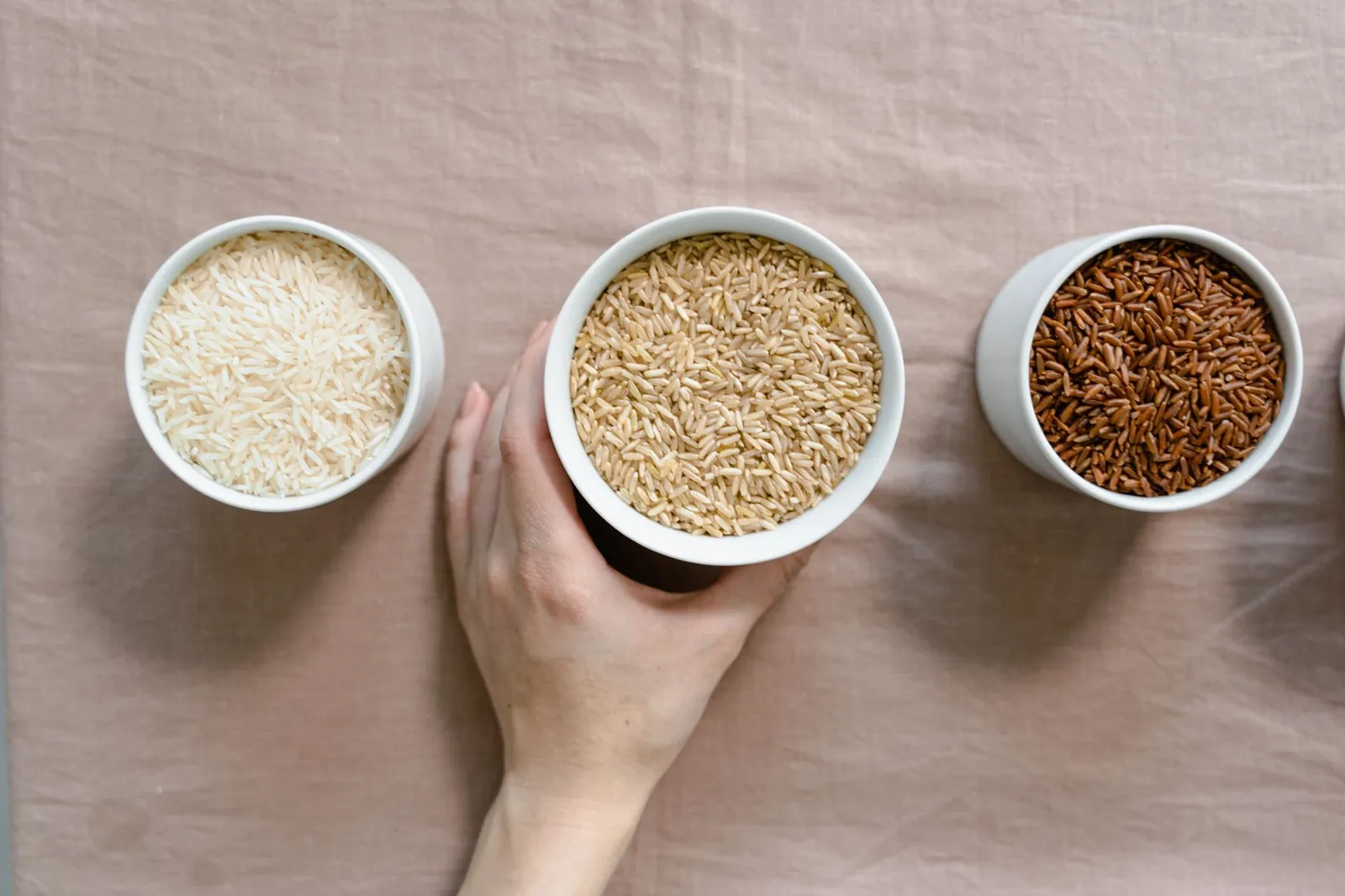
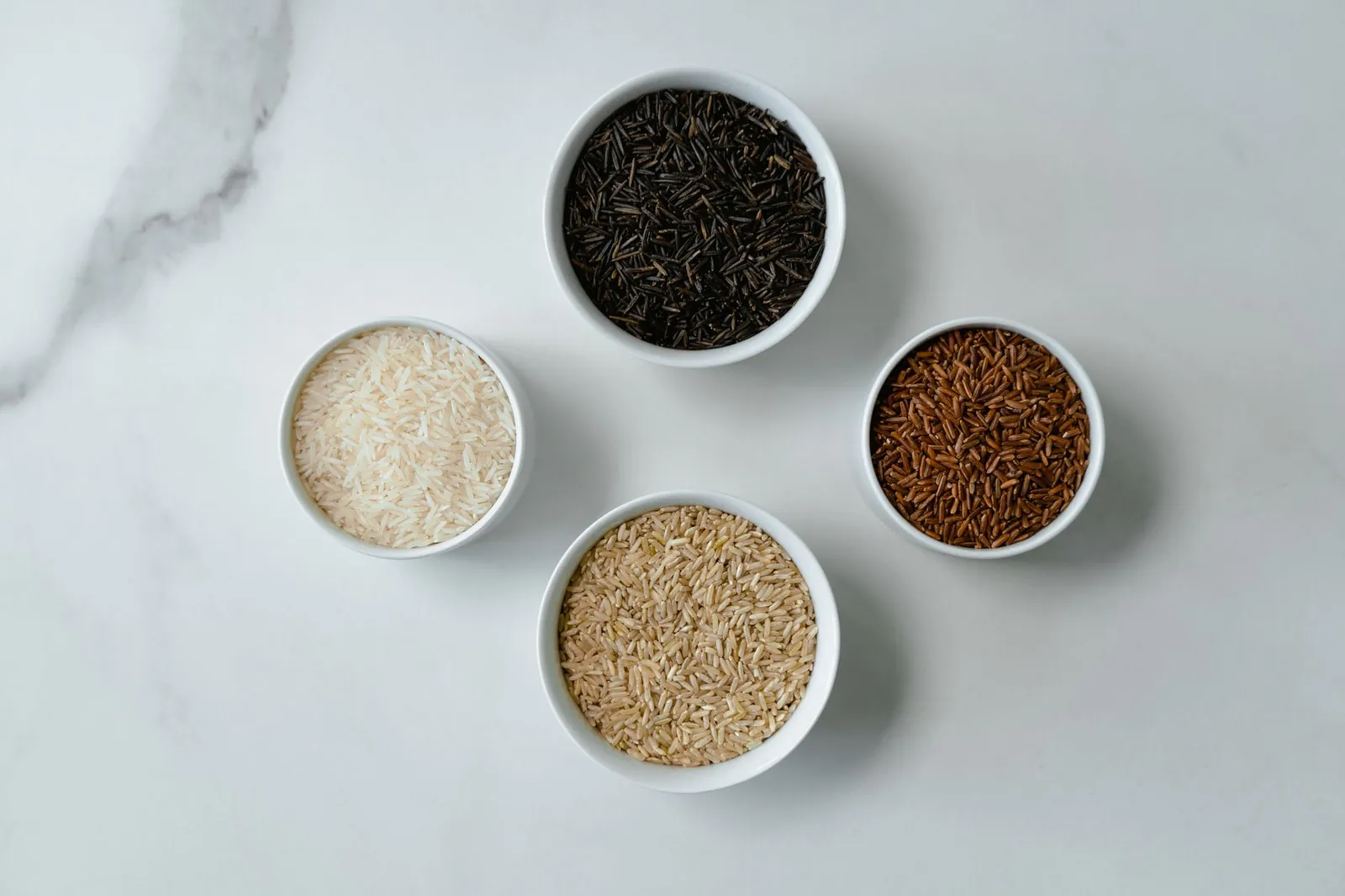
The handful of older grains worth keeping, what each one tastes like, and how to tell them apart on the shelf.
Read the guide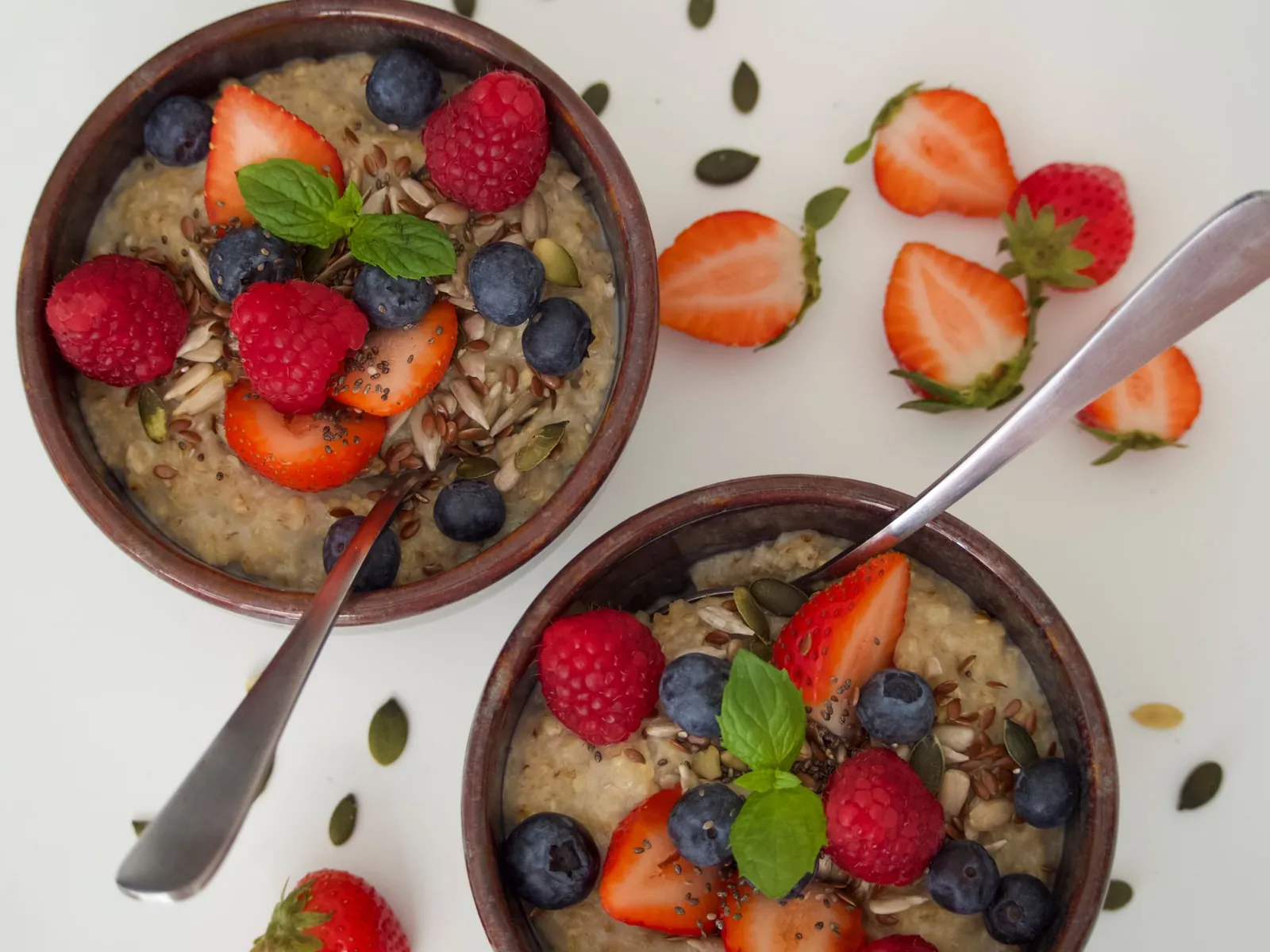
Two of the smallest grains behave in similar ways. How much water they want, and how to keep them from clumping.
Read the guide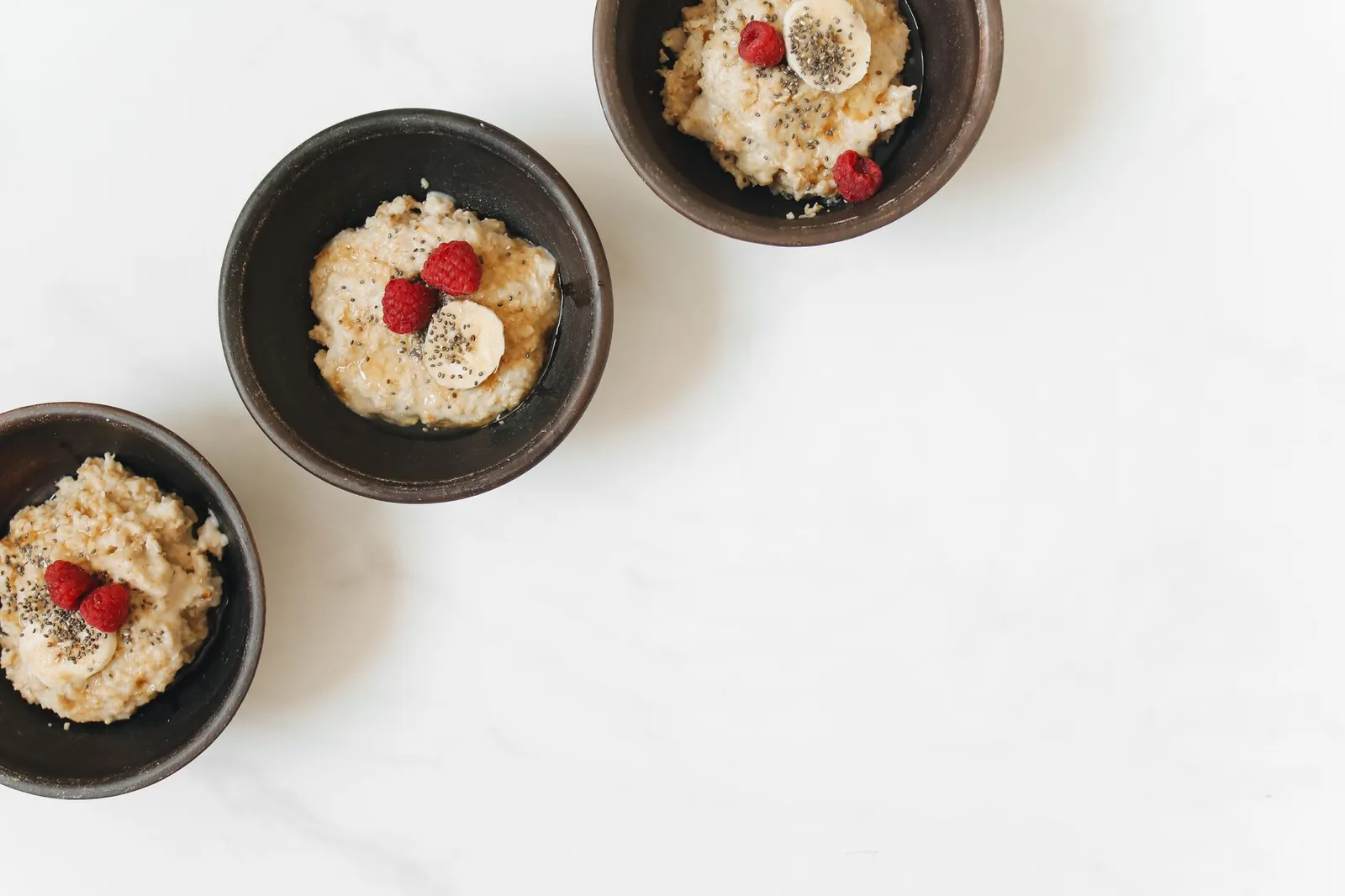
Plump, chewy and patient, sorghum makes a sturdy foundation for bowls and salads. How to cook it so it holds its bite.
Read the guide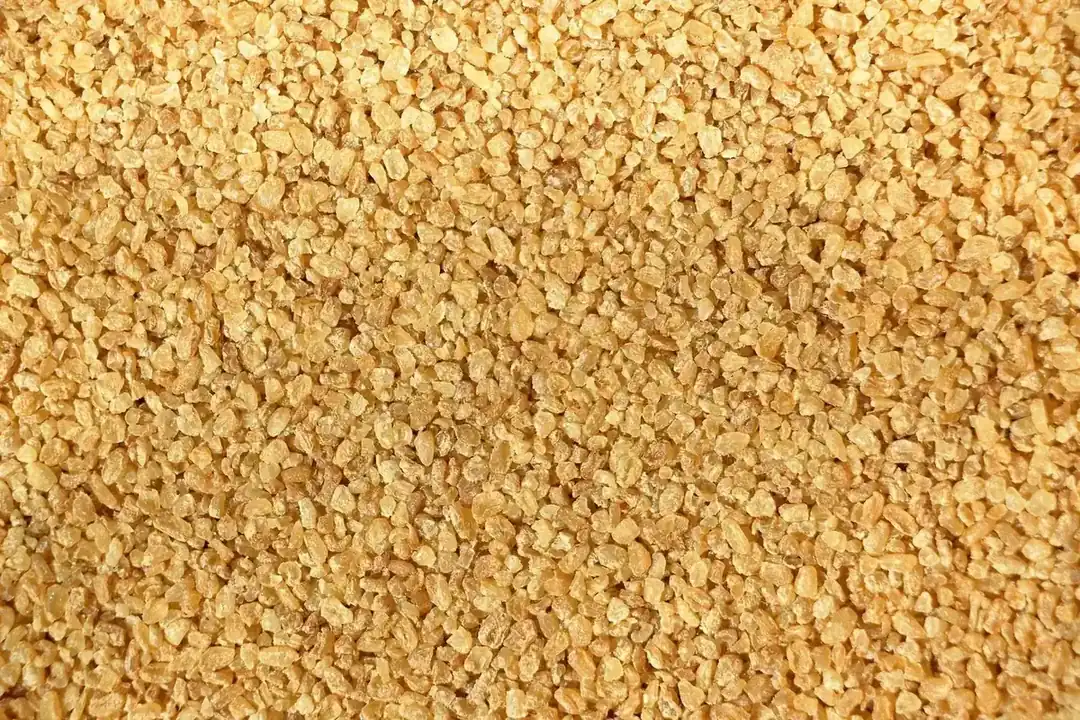
Young wheat, harvested green and roasted, carries a gentle campfire smoke. How to cook it and where that flavour shines.
Read the guide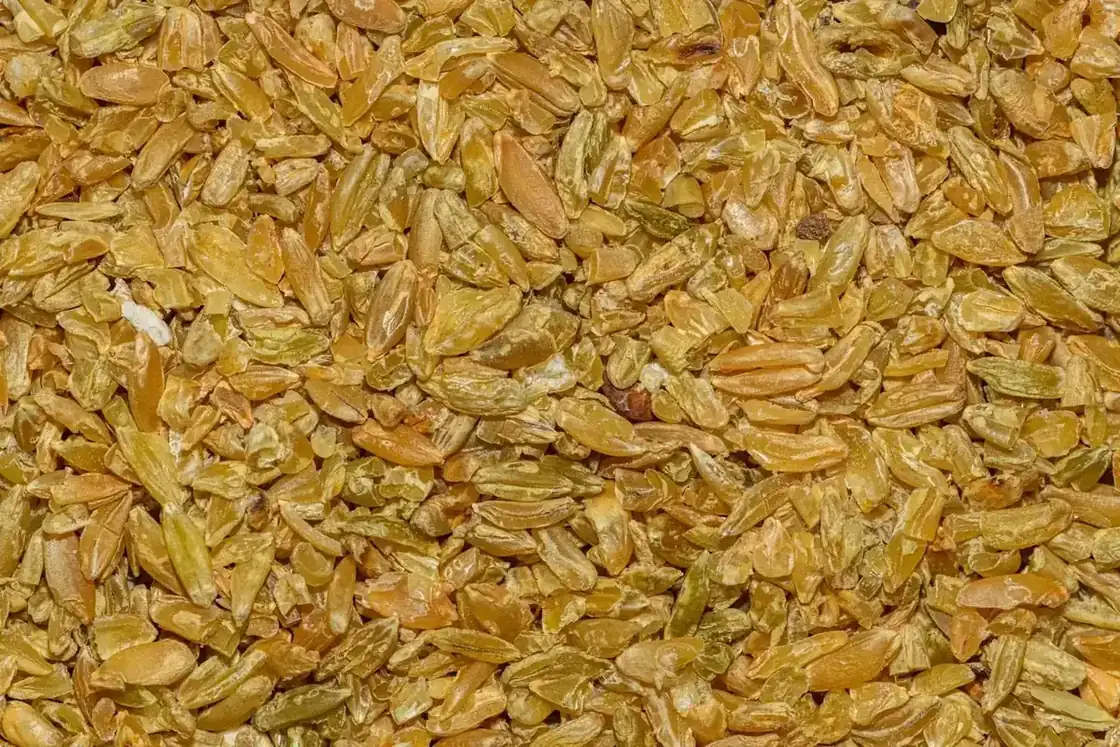
A few dry minutes in the pan before the water goes in deepens the flavour of almost any grain. The how and the why.
Read the guide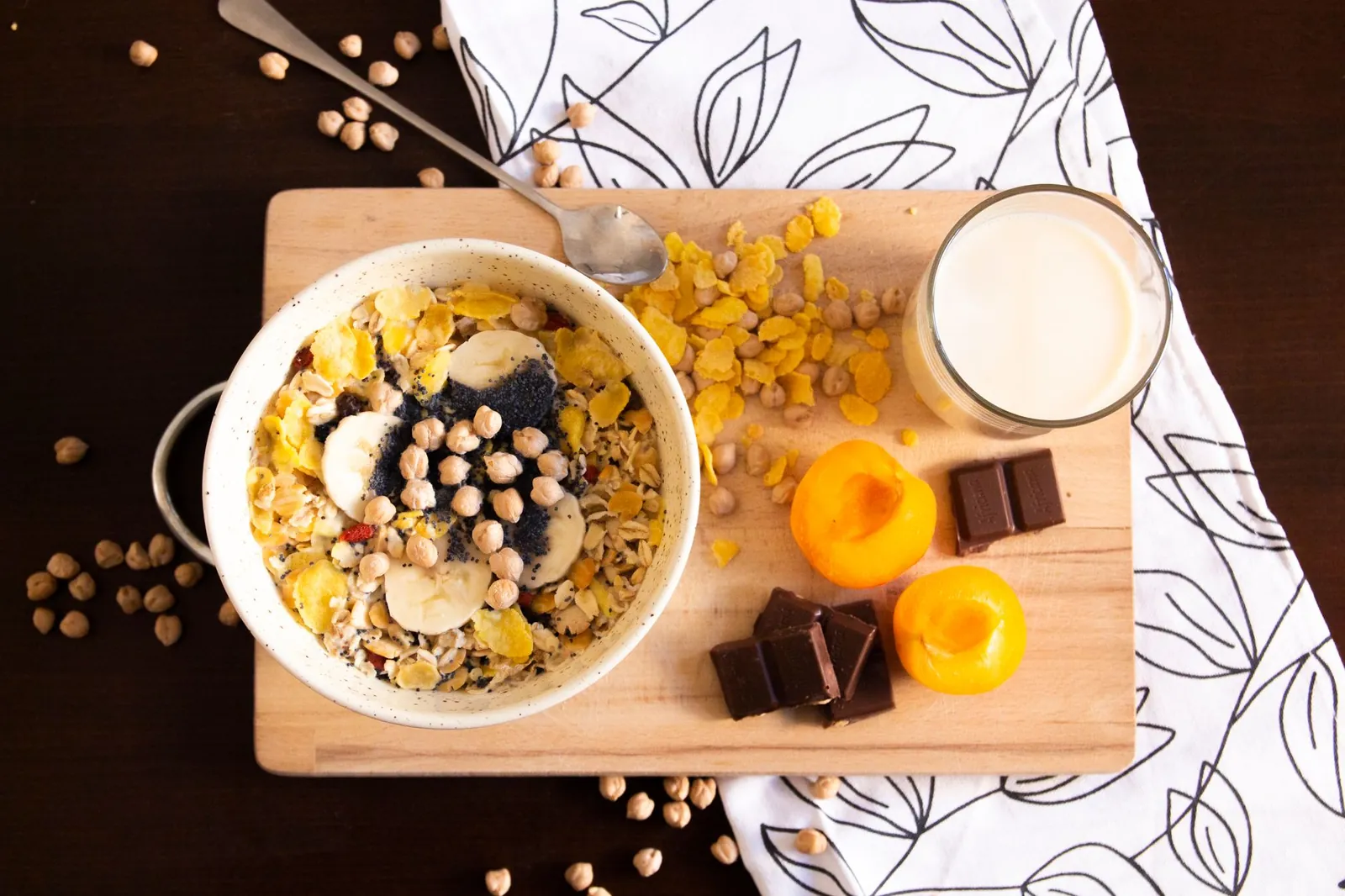
Beyond oats — warm, spoonable grain porridges to start the day, sweet or savoury, from the pot or from leftovers.
Read the guide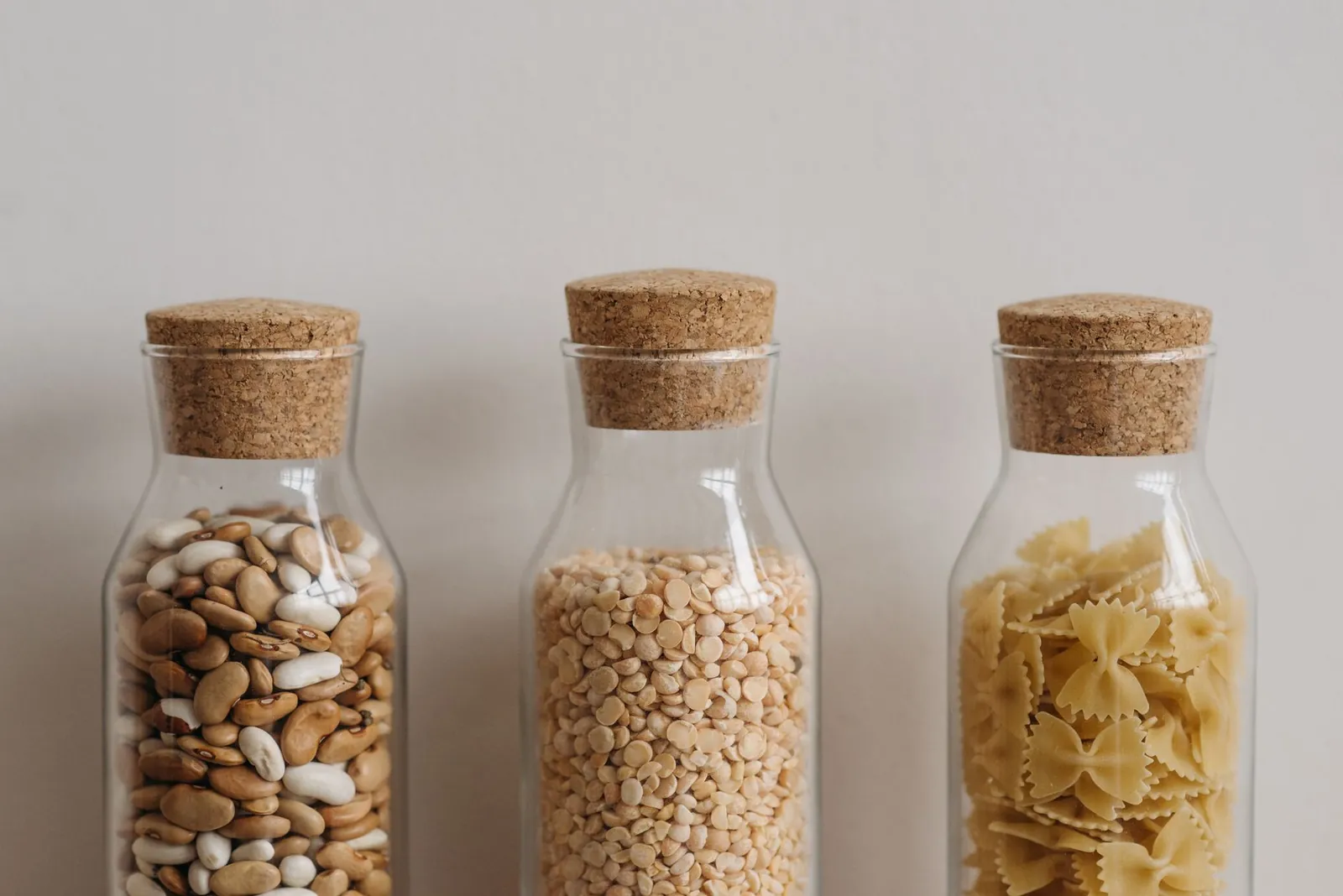
Cook a big pot once, store it well, and lean on it all week. How to batch grains so they keep their texture.
Read the guide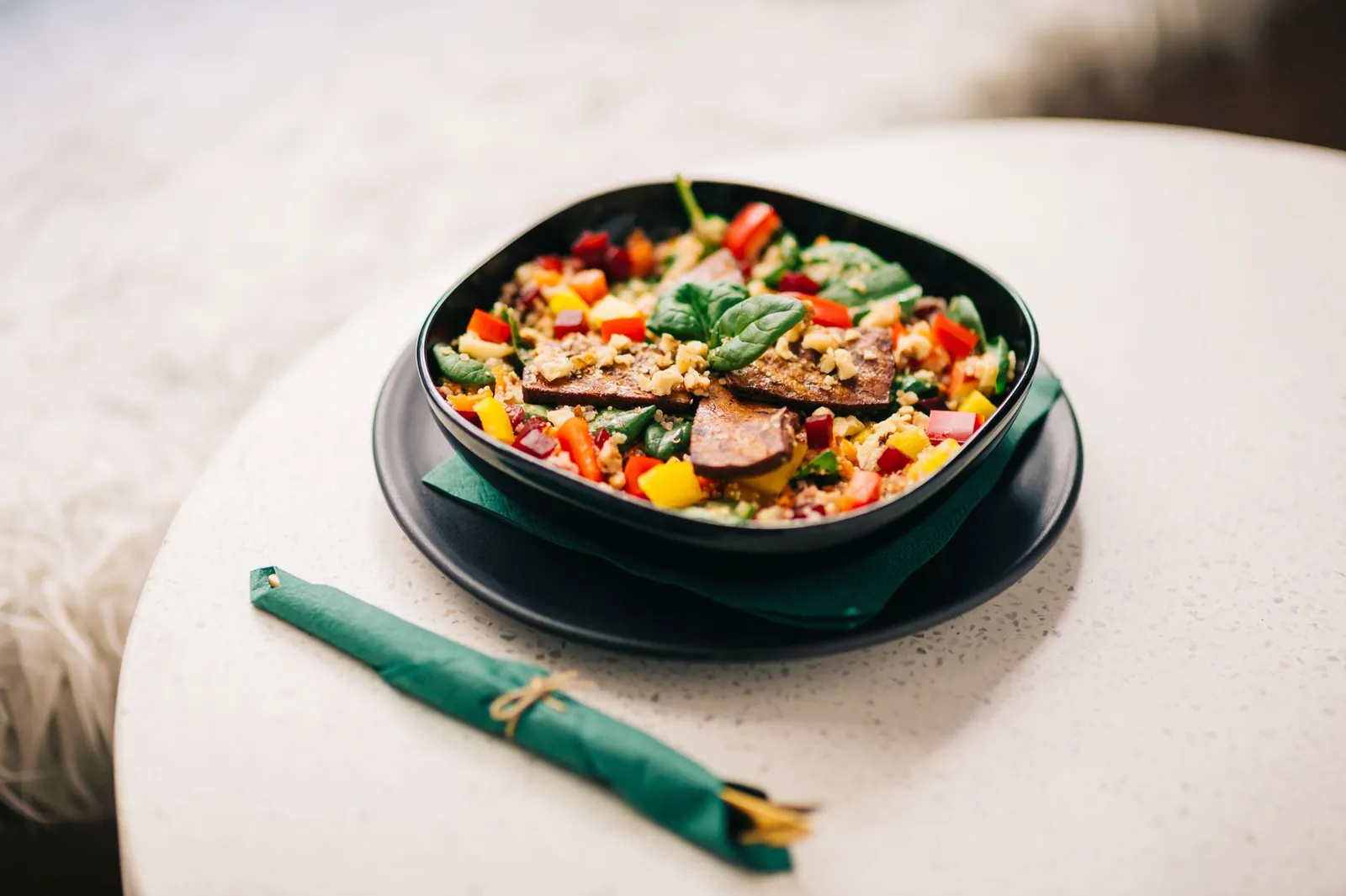
Two or three grains together make a more interesting base than one. How to combine textures and build a good bowl.
Read the guideEach grain has its own water-to-grain ratio. Cook a single kind until it feels automatic before you start juggling several. The pot teaches faster than any chart.
A couple of dry minutes in the pan wakes up a grain's flavour and firms its edges. It costs nothing and rewards almost every grain you cook.
Grains reheat beautifully and keep for days. A big pot on Sunday quietly becomes breakfasts, bowls and salads through the week.
“An old grain asks little of the cook and gives back a texture and a flavour that rice can only hint at.”The Ancient Grains Table